


Denmark bans 33 PFAS Pesticides in 2025: What It Means for the Nordic Region and EU Northern Zone

Denmark has taken a leading role in restricting PFAS-based pesticides by reassessing and withdrawing approval for 33 plant protection products whose active substances degrade into trifluoroacetic acid (TFA) — a persistent PFAS compound now recognised as a long-term threat to groundwater.
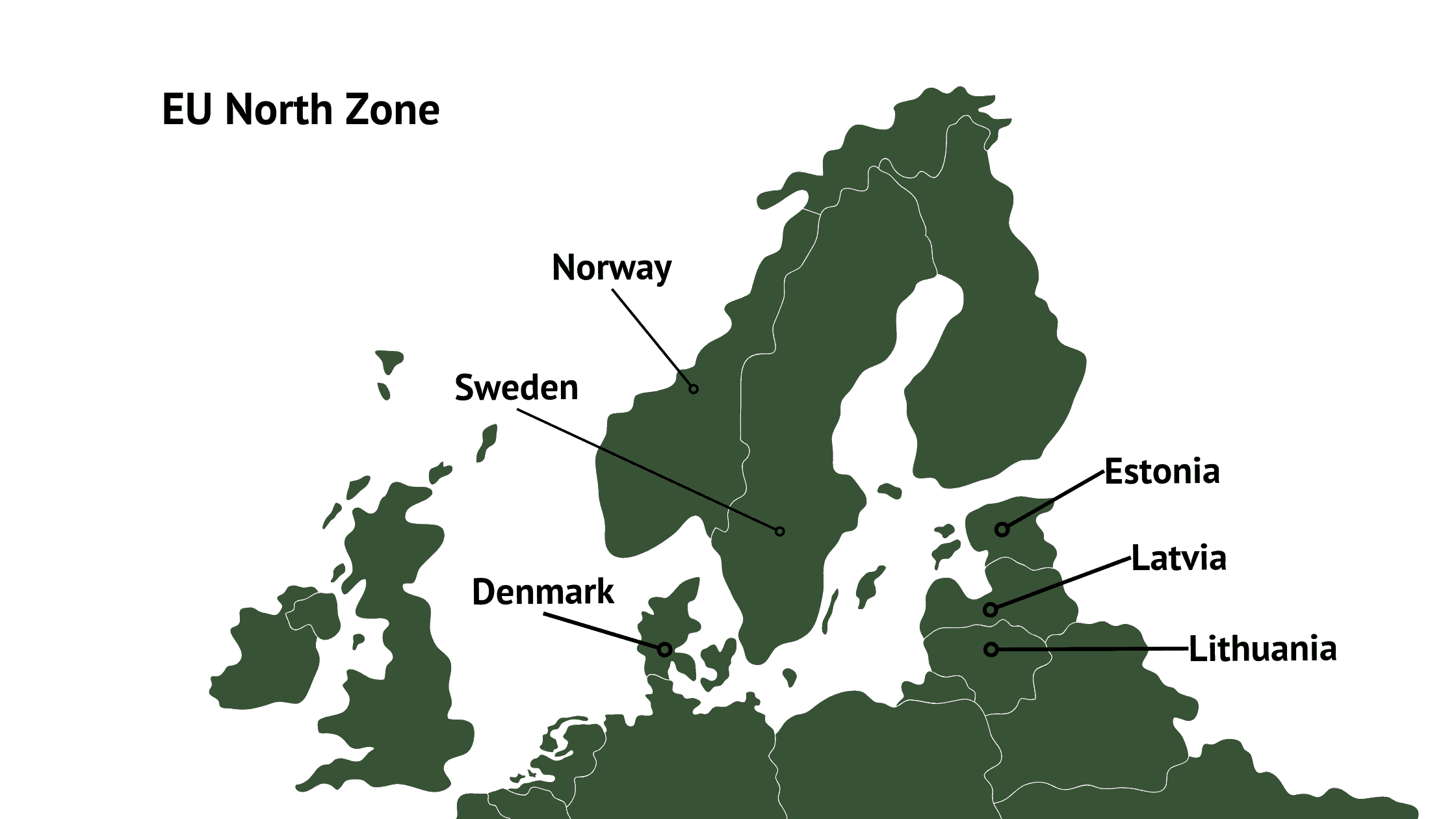
This move is already influencing PFAS policy discussions across the Nordic region and the EU Northern Zone, with Sweden and Norway beginning its own reassessment process and EU authorities progressing toward a broader universal PFAS restriction under REACH.
This article summarises what Denmark has done, how other Nordic countries are responding, and what pesticide manufacturers, formulators and registration holders should do next.
Denmark bans 33 pesticide products
In 2025, the Danish Environmental Protection Agency, Miljøstyrelsen, have completed a reassessment of six PFAS-containing active substances:
- Fluazinam
- Fluopyram
- Diflufenican
- Mefentrifluconazole
- Tau-fluvalinate
- Flonicamid
These substances were shown to degrade into TFA, a highly mobile, persistent PFAS that contaminates groundwater and cannot be removed using existing purification technologies.
Withdrawal timeline
- July 2025: Denmark withdrew approval for 23 products, with phase-out periods of 6–15 months.
- Late 2025: Approval for eight additional PFAS-based products was withdrawn.
- Total withdrawals: 33 pesticide products as of November 2025.
Potato cultivation was highlighted as one of the most affected sectors.
Why Denmark Took This Step: The Role of the TriFluPest Project
The decision is based primarily on findings from the TriFluPest research project led by the National Geological Surveys for Denmark and Greenland (GEUS).
Key conclusions:
- PFAS pesticides degrade into TFA under typical agricultural conditions.
- TFA is found in groundwater across Europe and is extremely persistent.
- Continued authorisation of these PFAS pesticides could lead to exceeding the EU drinking water directive.
- Denmark determined that continued approval would violate groundwater protection requirements.
Impact on Other Northern Countries
No other Nordic country has (yet) adopted the same 33-product ban. However, Denmark’s action has triggered regulatory follow-up obligations.
Sweden
On 20 November 2025, the Swedish Chemicals Agency, Kemikalieinspektionen, announced:
- The start of a reassessment of 38 Swedish pesticide products containing the same six active substances.
- Decisions planned by April 30, 2028, with up to 18 months grace period.
- Emphasis on protecting future groundwater resources.
Sweden’s reassessment is required under EU rules when another Member State revokes product approvals based on new risk evidence.
Norway
On 21 November 2025, the Norwegian food safety authority, Mattilsynet, announced that:
-
13 pesticide products currently authorised in Norway contain active substances that can degrade into TFA.
-
Mattilsynet will now require product authorisation holders to document that use of these products will not lead to TFA leaching into groundwater above the legal limit of 0.1 µg/L.
-
If companies cannot demonstrate this, the products will be withdrawn from the Norwegian market.
This requirement will apply not only to existing products but also to new applications and applications currently under evaluation, mirroring the tightened risk-assessment approach seen in Denmark and Sweden.
- Norway aims to finalise its reassessment of the 13 products by 30 April 2028 — the same deadline Sweden has set for its 38-product review.
- If withdrawals are issued, Mattilsynet plans an 18-month phase-out period for sale and use.
- The agency will also invite stakeholders to a dedicated meeting to discuss the process, expectations and evidence requirements.
We expect other Northern zone countries to undergo similar reevaluations of PFAS product approvals in the near future.
The Danish bans and the Swedish and Norwegian announcements are early signals of shifting PFAS policy across the EU Northern Zone.
What This Means for Pesticide Manufacturers and Registration Holders
Companies should prepare for:
Product portfolio screening
- Identify products containing the six reassessed PFAS active substances.
- Evaluate national phase-out deadlines (where applicable)
- Stay updated on potential similar developments in other EU Northern Zone countries
Strategic opportunity for non-PFAS products
Where PFAS products are withdrawn, safer alternatives may gain market relevance more quickly, especially if supported by:
- Fresh efficacy data
- Demo& marketing trials
- Evidence of environmental comparability
- New digital tools for performance validation (imaging, NDVI, plant height, crop coverage, etc.)
How Agrolab Supports Companies in the Northern Zone
Agrolab helps manufacturers and registration holders navigate PFAS-related regulatory changes through an integrated approach combining regulatory consulting and field research trials.
Regulatory Consulting
- Portfolio screening for PFAS-linked risks
- Gap analysis for data packages
- Planning of risk mitigation strategies
- Support for Northern Zone submissions, variations and renewals
Field Trials & Demonstration Work
- GEP efficacy trials aligned with updated regulatory expectations
- Demo & marketing trials to highlight performance of non-PFAS alternatives
- Digital measurement technologies:
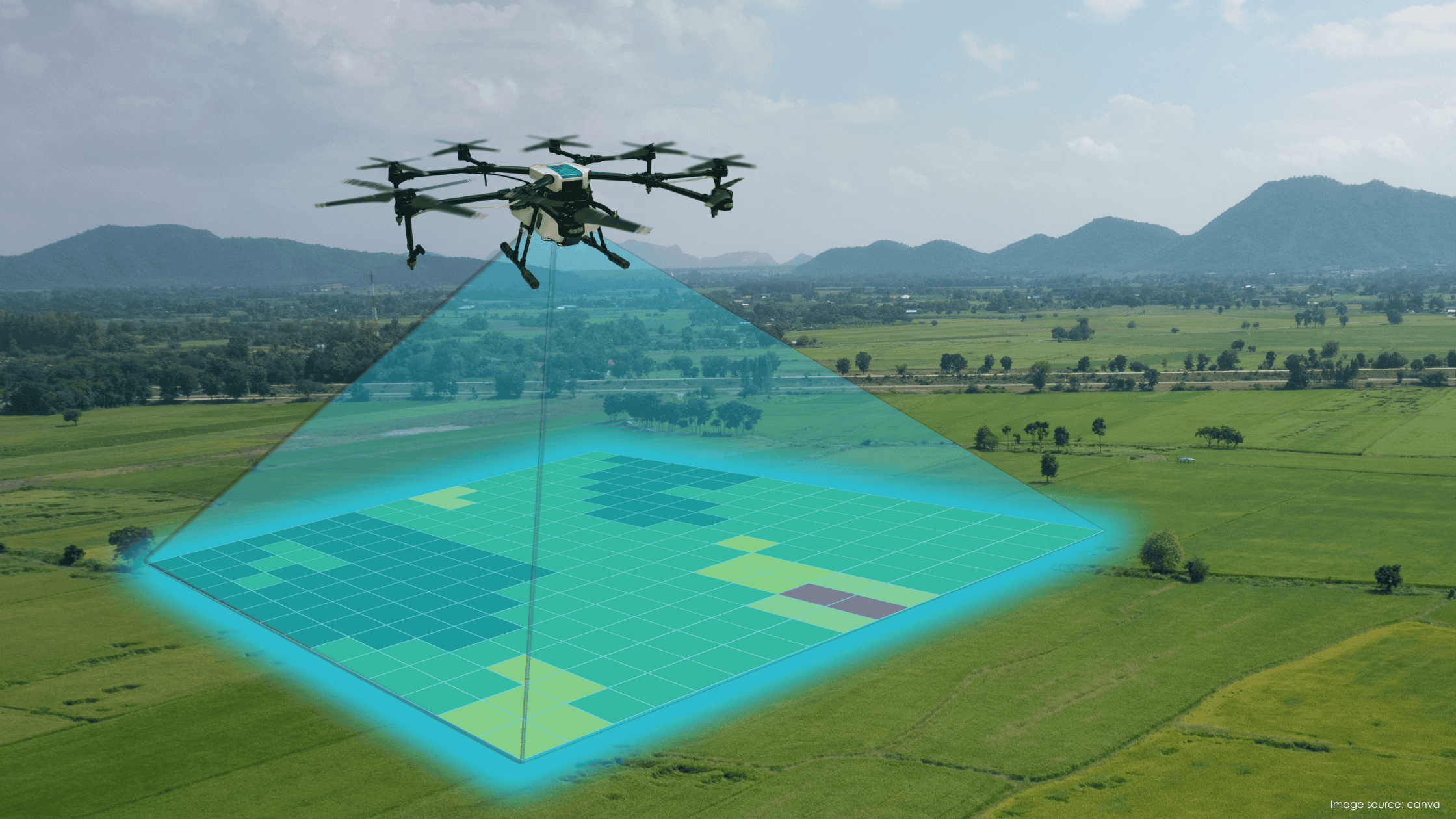
- Drone-based NDVI/NDRI
- Plant height and crop coverage
- Image segmentation and green area quantification
- Trials designed to support both regulatory dossiers and market positioning
Workshops & Strategic Sessions
Ideal for companies needing to understand:
- PFAS and TFA implications
- Data needs for upcoming reassessments
- Time-critical requirements
- Trial design tailored to commercial and regulatory goals
If you have any questions about this news, please reach out via our contact form and we'll get back to you as soon as possible.
FAQ
Because they degrade into TFA, a persistent PFAS compound that contaminates groundwater and violates EU drinking water limits.
Not yet. Sweden has started a reassessment of 38 related products, but no other country has issued an identical 33-product ban.
Fluazinam, fluopyram, diflufenican, mefentrifluconazole, tau-fluvalinate and flonicamid.
A universal PFAS restriction is under development via EU REACH, PPP actives are excluded as they are regulated under 1107/2009. However, this news could restrict PPP indirectly.
We recommend that PPP producers screen portfolios, review data gaps, plan mitigation measures, and consider field trials to strengthen older non-PFAS products. We suggest marketing & demo trials combined with new tools that generate new data, showing the products' continued relevancy.
Explore previous company news
Northern Zone Efficacy Guidance 2025 (Version 10) – Key Updates
When applying for authorization of a plant protection product (PPP) in the EU Northern Zone, applicants must follow strict efficacy trial requirements. A newly updated Version 10.0 (2025) has now been released. Learn updated PPP trial requirements to streamline EU registration. This guidance defines […]
Agrolab's Drone Technology gets GEP-Approved for Field Trials
We are proud to announce that our innovative drone-based canopy height measurement method is now officially approved by the Danish GEP inspection unit. This technology aligns with EPPO guideline PP1/333(1), which supports the adoption of digital innovations for efficacy evaluations in plant protection...
About Agrolab
Agrolab A/S is the recommended research organization in the EU North Zone within field research and regulatory consulting.
Agrolab provides consultation and field trial services with the aim of assisting companies towards the registration of plant protection products in the agricultural and food production sector, specialized in Scandinavia and the Baltic states.