
Digital PPP Labels in the EU: What Product Owners Should Prepare for Now
8 April 2026
Digitalisation of plant protection product (PPP) labels is moving from industry initiative to becoming a regulatory requirement.
The European Commission is preparing new labelling rules that will require all PPPs to have both a physical label and a digital, machine-readable version accessible via a link, a QR code or similar technology.
Regulation (EU) 2024/2865 entered into force in October 2025 and covers several updates to the classification, packaging and labelling requirements for PPPs. Some requirements are implemented on July 1, 2026, while others have a transition period until July 1, 2028. The deadline for having digital labels available is January 2028.
At the same time, platforms such as AgriGuide, are being developed to support implementation across EU Member States. The platform is backed by CropLife Europe and COPA-COGECA and is already being piloted in several countries.
Many large crop protection companies are already working towards full digitisation of their label portfolios by the end of 2026. This development affects how PPP labels are structured, maintained and used in practice.
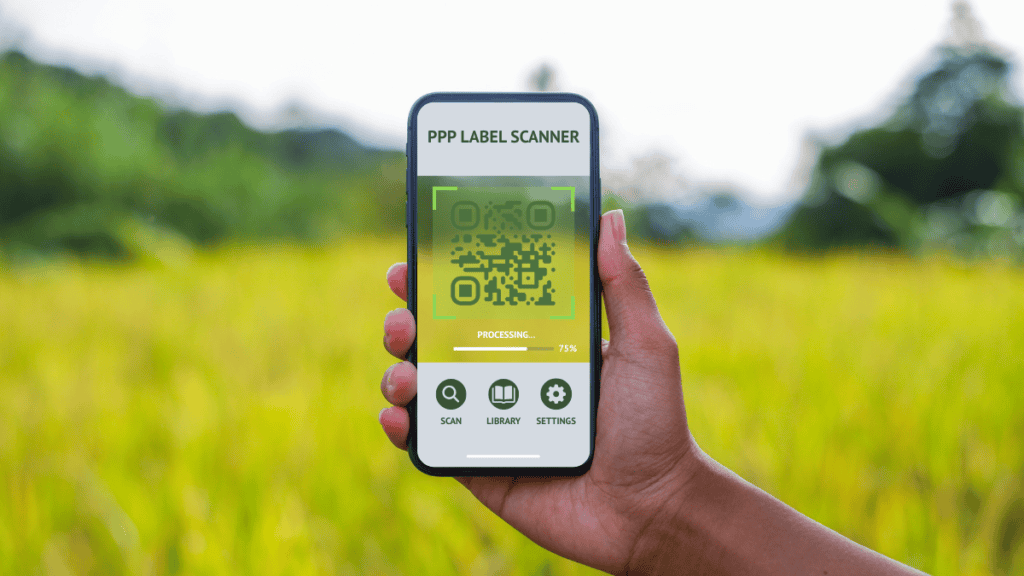
Visual mockup of label scanning app. For illustrative purposes only.
What is a digital PPP Label?
A digital PPP label is a machine-readable version of the authorised product label that can be accessed online and interpreted by software systems.
Instead of reading a static document, users can access structured label data that integrates with:
- Local regulatory restrictions
- Buffer zones and environmental requirements
- Crop and application context
Through tools such as AgriGuide, this allows users to receive application guidance aligned with the authorised conditions of use.
Digital labels can also support automatic record-keeping in line with EU requirements.
EU regulatory requirements for digtial labels
The upcoming EU framework introduces several key requirements for PPP label digitalisation:
- Labels must exist in both physical and digital formats
- Digital labels must reflect the authorised content of the product
- They must be freely accessible without login or payment
- Access must be possible via a single scan or link from packaging
- Digital labels must be kept up to date when authorisations change
These requirements are expected to replace current provisions under Commission Regulation (EU) 547/2011.
Digital labels structure: content, data model and access
PPP label digitalisation operates across three main layers:
1. Content layer
All authorised label elements must be complete and aligned with the registration:
- Crops and targets
- Application rates and timing
- Safety instructions and PPE
- Buffer zones and environmental restrictions
2. Structure layer
The content must be encoded in a structured, machine-readable format so that software can interpret individual data fields such as crop, dose, interval, and conditions.
3. Access layer
The digital label must be linked to the physical product via a QR code or similar identifier and hosted on a platform with version control and traceability.
What digital labels mean for product owners
For product owners and registration holders, digital labels introduce new operational requirements.
Consistency across markets
Label data must be harmonised to function correctly in digital systems.
Precision in authorised content
Ambiguity in label wording can lead to incorrect interpretation by software tools.
Continuous updates
Digital labels must be updated and synchronised when authorisations change.
This shifts label management from a documentation task to a structured data process.
Preparing for implementation
With regulatory changes happening, the industry is already moving towards full digitisation as preparation needs to happen now.
For most organisations, this involves:
- Reviewing label content for completeness and consistency
- Structuring data in a machine-readable format
- Aligning regulatory, technical, and product data workflows
- Ensuring processes are in place for ongoing updates and version control
This should not be seen as a one-off transition, but the establishment of a new operating model for label management.
Digital PPP labels represent more than a regulatory update. And it's already on the way.
If you are currently evaluating how to structure your label data or align it with upcoming requirements, it is worth starting that work well ahead of the transition period.
FAQ
A digital PPP label is a machine-readable version of a plant protection product label that can be accessed online and used by software systems to guide application and ensure compliance.
As of now (8th April 2026) The deadline is January 2028, however some companies have already started the implementation and are aiming for 100% digital labels by the end of 2026. The details in the Regulation 2024/2865 are currentlg being discussed and therefore the deadline may be subject to change.
AgriGuide is a digital platform developed with industry and farmer organisations to host structured PPP label data and support compliant product use across the EU.
No. Both physical and digital labels will be required, and they must contain the same authorised content.
Companies need to ensure that label data is complete, structured, machine-readable, and aligned with regulatory requirements, with processes in place for continuous updates.
Explore other posts
Northern Zone Efficacy Guidance 2025 (Version 10) – Key Updates
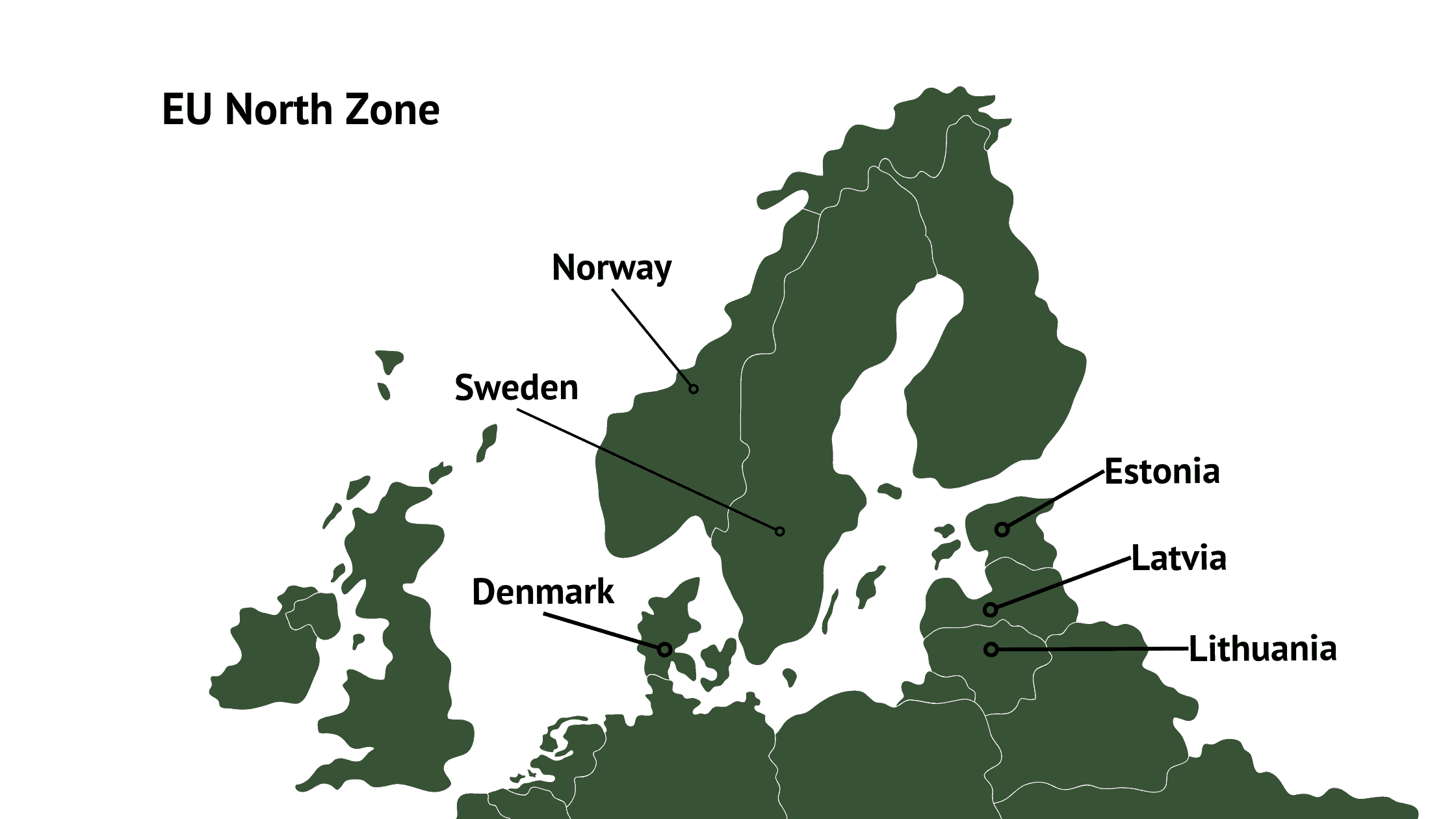
When applying for authorization of a plant protection product (PPP) in the EU Northern Zone, applicants must follow strict efficacy trial requirements. A newly updated Version 10.0 (2025) has now been released. Learn updated PPP trial requirements to streamline EU registration. This guidance defines […]
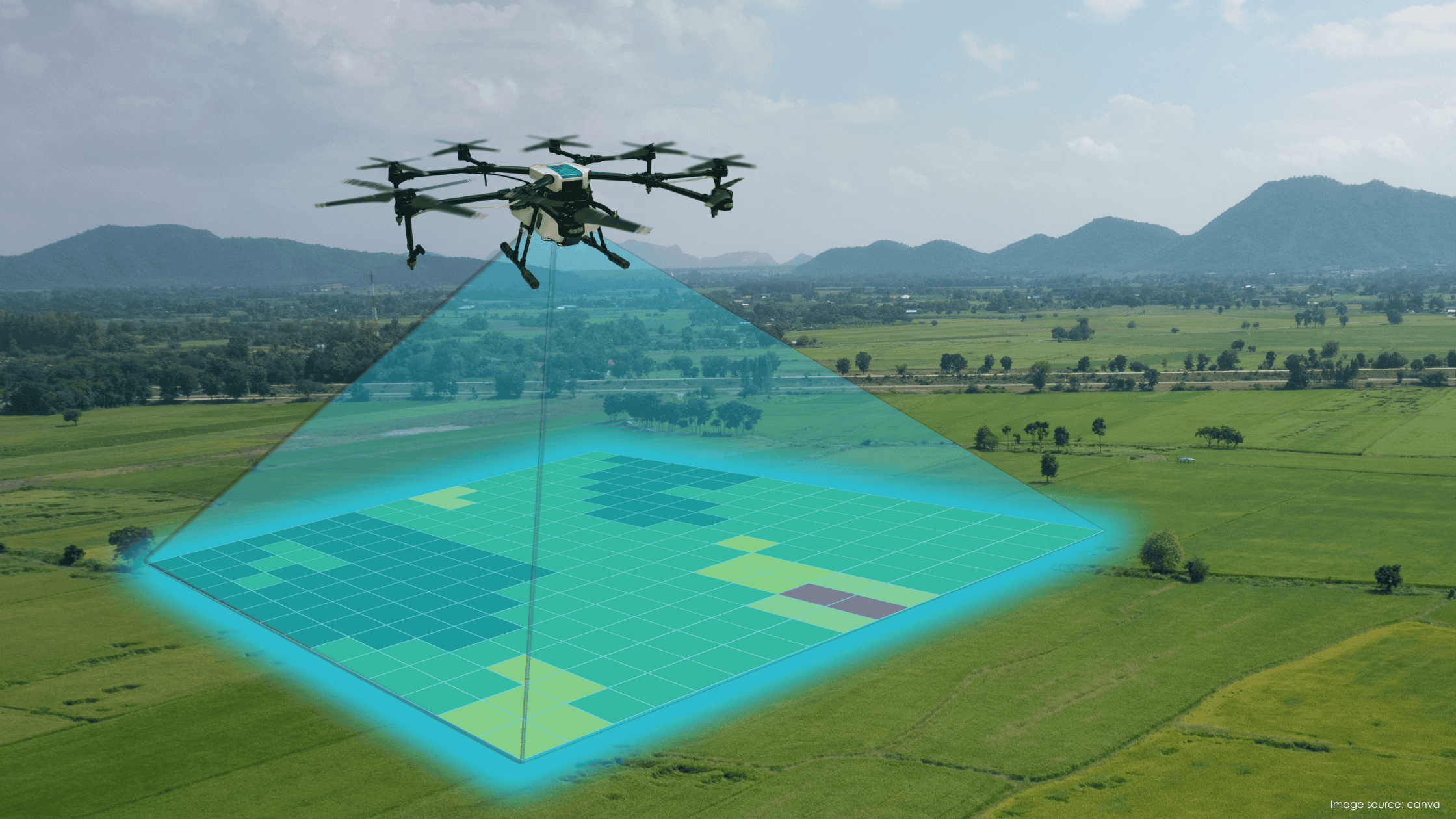
Agrolab's Drone Technology gets GEP-Approved for Field Trials
We are proud to announce that our innovative drone-based canopy height measurement method is now officially approved by the Danish GEP inspection unit. This technology aligns with EPPO guideline PP1/333(1), which supports the adoption of digital innovations for efficacy evaluations in plant protection...
About Agrolab
Agrolab A/S is the recommended research organization in the EU North Zone within field research and regulatory consulting.
Agrolab provides consultation and field trial services with the aim of assisting companies towards the registration of plant protection products in the agricultural and food production sector, specialized in Scandinavia and the Baltic states.